Pothole Season in Rhode Island

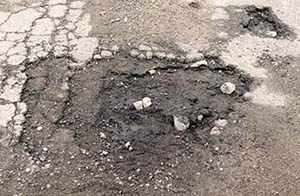
It is pothole season. RIDOT wants to offer all the help it can. You can report potholes in your area on state roads only by calling 511. RIDOT is proactively surveying roads for pothole repairs and using more durable hot-patch asphalt and PermaPatch material whenever possible. We also are using our automated pothole filling machine - the "pothole killer" The pothole killer fills the potholes with a material that is just as effective as asphalt. Here is where it will be:

  • Week of 4/6 - Midstate
  • Week of 4/13 - Smithfield

Please note: RIDOT repairs potholes on state roads only. For town roads, please contact your local department of public works. Link to Town DPWS »

The peak of pothole season is from late winter to early spring although we repair potholes all year long.  This year, pothole season started early because of the increase in the freeze/thaw cycle.  Our last recorded number of potholes filled in one season was 13,000 so, please bear with us.

Pothole Reporting - Public Dashboard

Find, Fill & Repeat

pothole

Once we learn about a pothole on a state road, we log it into our system and dispatch crews to fill it as quickly as possible. There are several different techniques that can be used depending on the location of the pothole, its size, the materials available, and the time of the year.

Asphalt products are typically applied during warm weather, so it can cure properly and make a durable driving surface. In the winter months, the same asphalt mixes we use during the rest of the year are not available.

Learn More

The material available to us in winter is called cold patch - so named because it remains workable even in the coldest temperatures.

Aside from the materials used, consideration also must be given to where a pothole is. If we're patching on the highway, the impact of our repair operations on traffic must be taken into account - as well as the safety of our workers. In these instances, we move swiftly to lay material and get off the road - especially in times of heavy traffic. We may return to the same location for more work when traffic is lighter.

As part of our effort to make these repairs more efficient and cost effective, we employ a device called a hot box. These units attach to our trucks, and heat and insulate cold patch, making it more effective. We also use equipment such as rollers and plate compactors that help us achieve a more durable patch.

The deteriorated condition of our roads in Rhode Island results in more potholes, especially on secondary roads. Currently 40 percent of state roads are rated fair or worse. Through our Pavement Preservation Program, we work aggressively to address roadways before they become so poor that they need a costly fix. A large gap exists, however, between what can be accomplished at current funding levels and the monies needed to address our system as a whole.

State of Rhode Island Town DPWs | REPORTING POTHOLES

pothole

Call our 511 Pothole Hotline
to report a pothole on a state road.

Report a Pothole »

Get Damage Claim Information

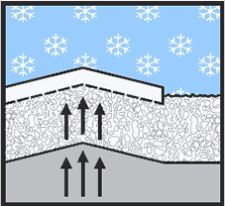
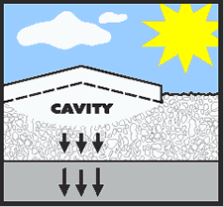
How a Pothole is Born

Step 1

Step 1 - pothole formation

Potholes begin after snow or rain seeps into the soil below the road surface.

Step 2

Step 2 - pothole formation

The moisture freezes when temperatures drop, causing the ground to expand and push the pavement up.

Step 3

Step 3 - pothole formation

As the temperatures rise, the ground returns to normal level but the pavement often remains raised. This creates a gap between the pavement and the ground below it.

Step 4

Step 4 - pothole formation

When vehicles drive over this cavity, the pavement surface cracks and falls into the hollow space leading to the birth of another pothole.